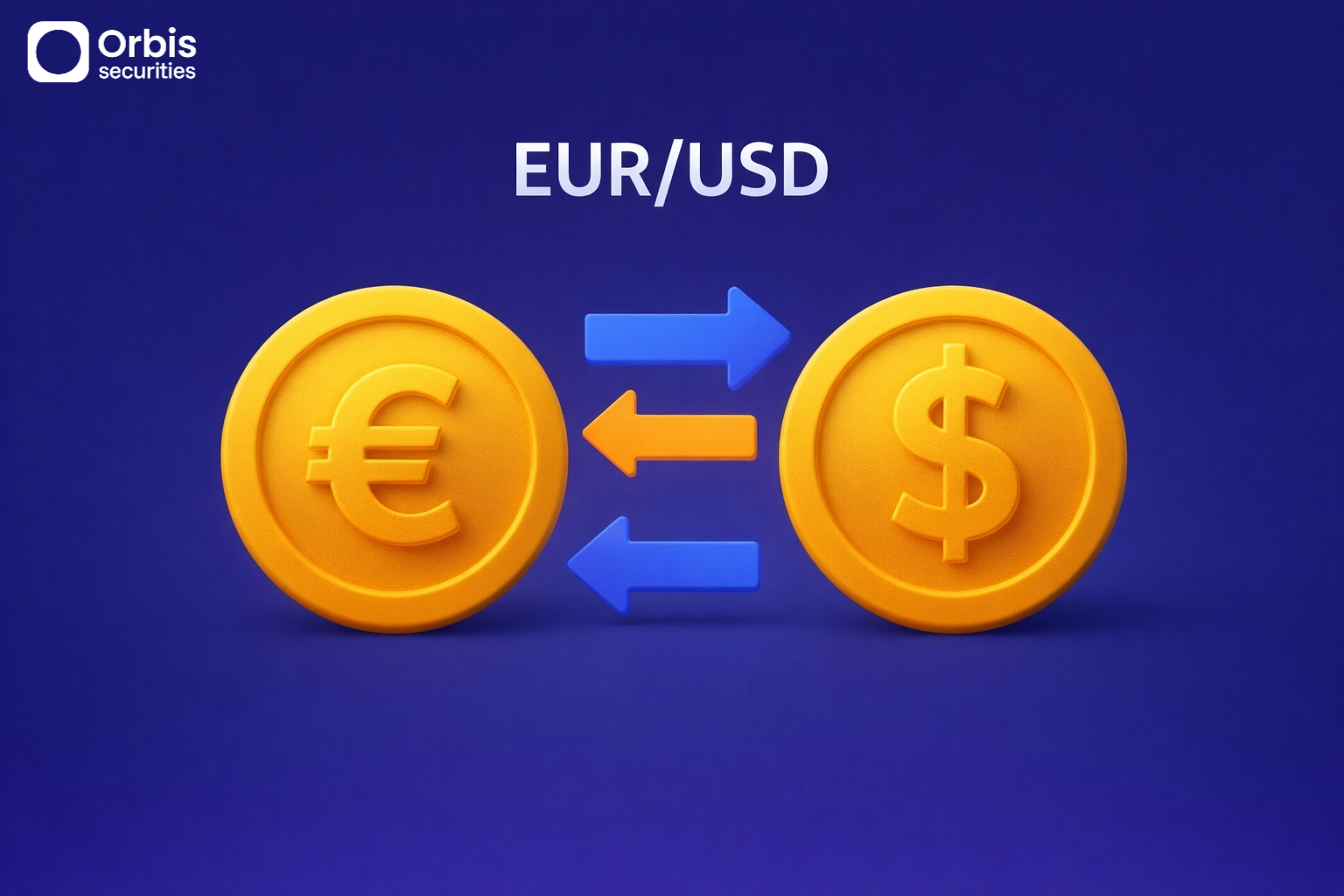
Forex trading is not like stock trading, where a single asset is bought or sold independently.
Instead, it is structured in a way where two currencies are always traded as a pair.
This is called a “currency pair.”
For example, the currency pair EUR/USD represents trading by comparing the euro (EUR) and the US dollar (USD).
In the forex market, transactions are carried out by buying one currency while simultaneously selling another, which is one of the most fundamental characteristics of forex trading.
At first, this structure may feel unfamiliar, but it becomes much easier to understand when you think of it as “comparing the relative value of two currencies.”
🔹 Base Currency and Quote Currency: The Key to Understanding the Structure
A currency pair is divided into the currency in front and the currency behind, each with a clearly defined role.
The currency in front is called the “base currency,” and it is always measured as one unit.
The currency behind is called the “quote currency,” and it represents the price required to buy one unit of the base currency.
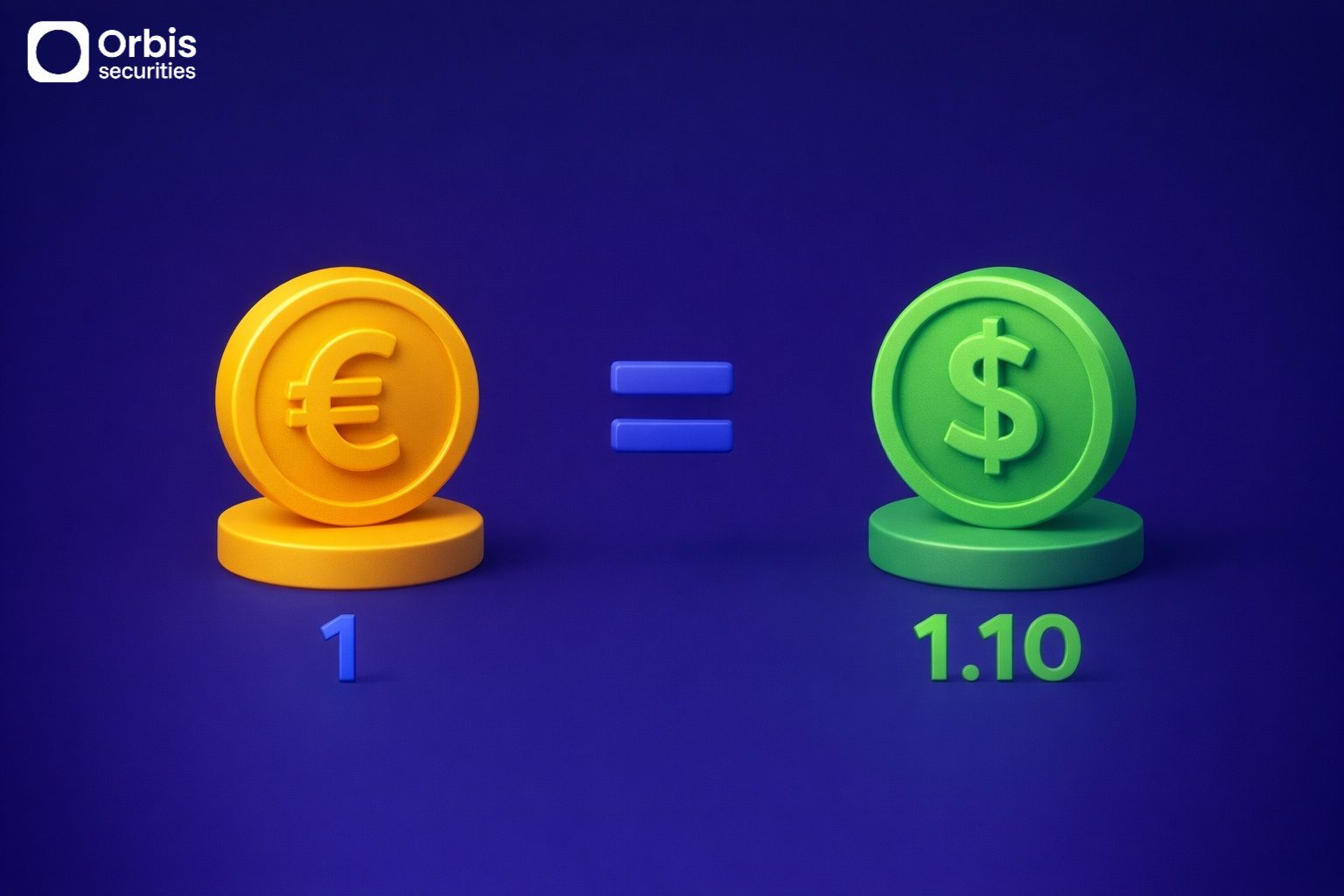
For example, if EUR/USD = 1.10, it means that 1 euro requires 1.10 US dollars to purchase.
From this perspective, the price of a currency pair is not just a number but an exchange ratio between two currencies.
🔹 What Does It Mean When a Currency Pair Price Moves?
In the forex market, price movement is not just a change in numbers—it means that the value relationship between two currencies is changing.
For example, if EUR/USD rises from 1.10 to 1.15, it means that the euro has become stronger than the US dollar.
This is because more dollars are required to buy the same 1 euro.
Conversely, if it falls from 1.10 to 1.05, it can be seen that the euro has relatively weakened.
In this way, in the forex market, it is more important to understand “which currency is becoming stronger” rather than focusing on absolute price levels.
🔹 Why Do Exchange Rates Move?
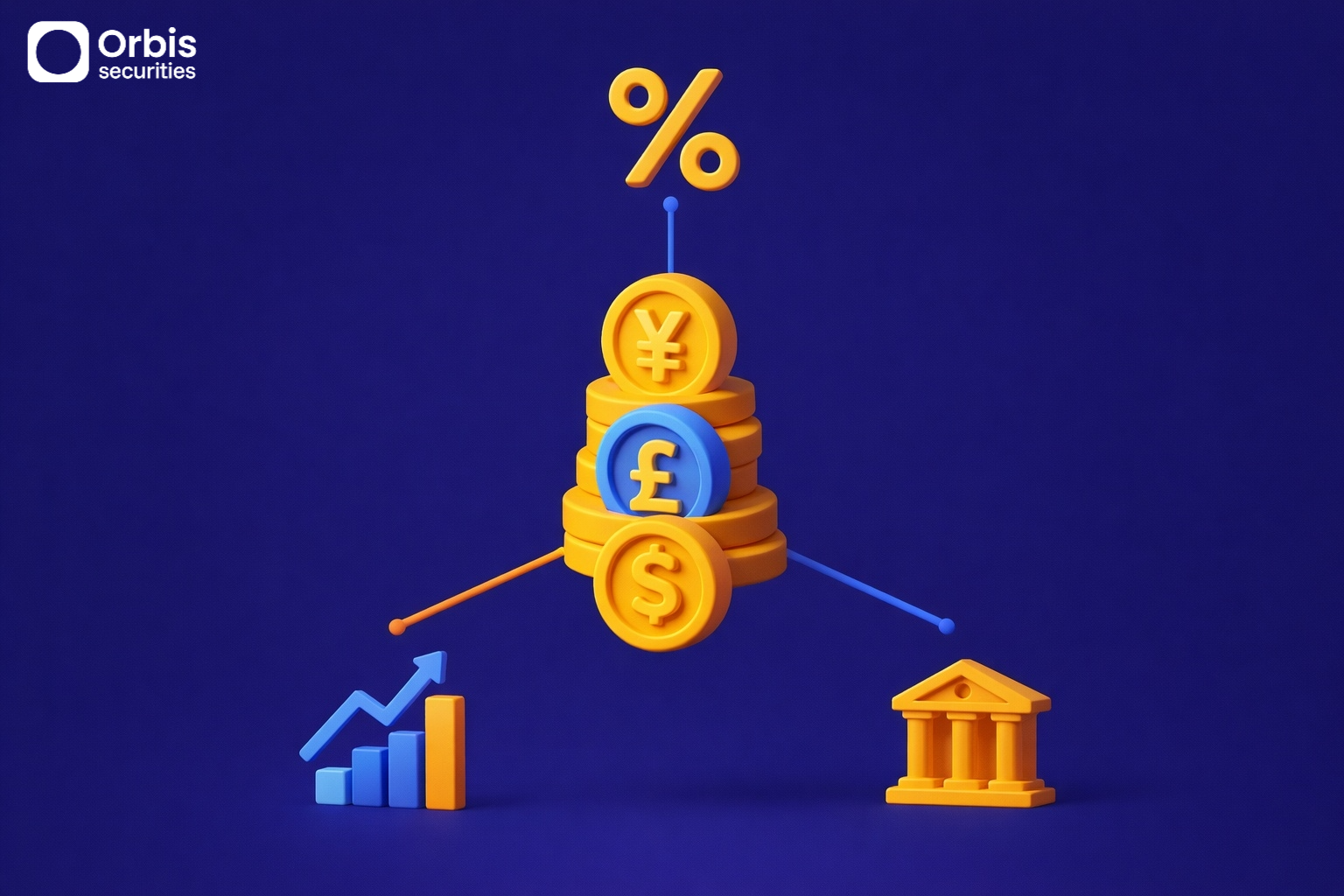
Exchange rates are not fixed values—they continuously change due to various factors.
This is a very important concept in understanding the forex market.
The main factors that influence exchange rates are as follows.
First, interest rates.
Currencies of countries with higher interest rates tend to appear more attractive, leading to increased demand and potentially higher currency value.
Second, economic conditions.
If signals of economic growth appear in a country, capital tends to flow in, which can strengthen the currency.
Third, political and global issues.
Wars, policy changes, and global financial events can also have a significant impact on exchange rates.
For example, if US interest rates rise, demand for the US dollar may increase, strengthening its value.
As a result, a currency pair like EUR/USD may show a downward movement.
In this way, exchange rates continuously move due to the combined effects of multiple factors.
🔹 Buy and Sell: Think in Terms of the Base Currency
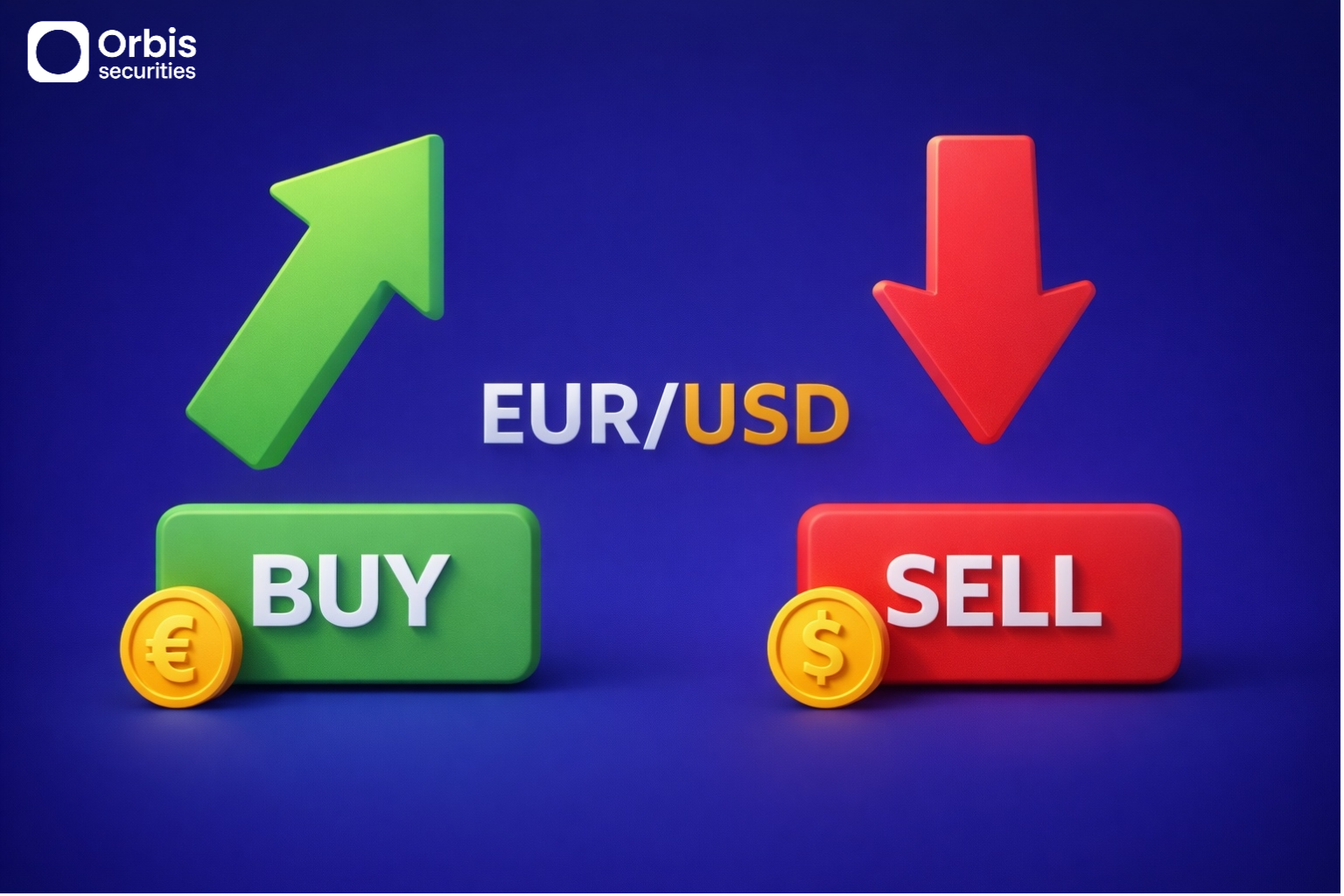
In forex trading, it is most important to understand buying and selling based on the base currency.
Buying EUR/USD means buying euros and selling US dollars, and it is chosen when you expect the euro’s value to rise.
Conversely, selling EUR/USD means selling euros and buying US dollars, and it is done when you expect the euro’s value to fall.
At first, this concept may be confusing, but if you simply remember the principle of “thinking based on the first currency,” it becomes much easier to understand.
🔹 Types of Currency Pairs: Major, Minor, Exotic
There are various currency pairs in the forex market, and they can be broadly divided into three categories based on trading volume and liquidity.
Major currency pairs are the most actively traded pairs that include the US dollar.
They have high trading volume and liquidity, and tend to be relatively stable.
Typical examples include EUR/USD, USD/JPY, and GBP/USD.
Minor currency pairs are those that do not include the US dollar and are also called “cross currency pairs.”
Examples include EUR/JPY, EUR/GBP, and GBP/JPY.
Exotic currency pairs consist of a major currency paired with a currency from an emerging market, such as USD/TRY or USD/ZAR.
These pairs often involve relatively higher risk due to lower trading volume and higher volatility.
Forex trading is not simply about watching prices rise and fall—it is the process of understanding the relative value changes between two currencies.
By clearly understanding the structure of currency pairs, it becomes much easier to grasp the buy/sell strategies and chart analysis that will be learned later.