Forex (FX) stands for Foreign Exchange and refers to the global market where different currencies are exchanged.
Simply put, any transaction that involves converting one country’s currency into another is considered a forex transaction.
For example, when you exchange money for an overseas trip or make a purchase from an international online store, you are essentially participating in the forex market.
From this perspective, forex is not just a specialized financial activity—it is something that naturally occurs in everyday life.
🔹 Why Does the Forex Market Exist?
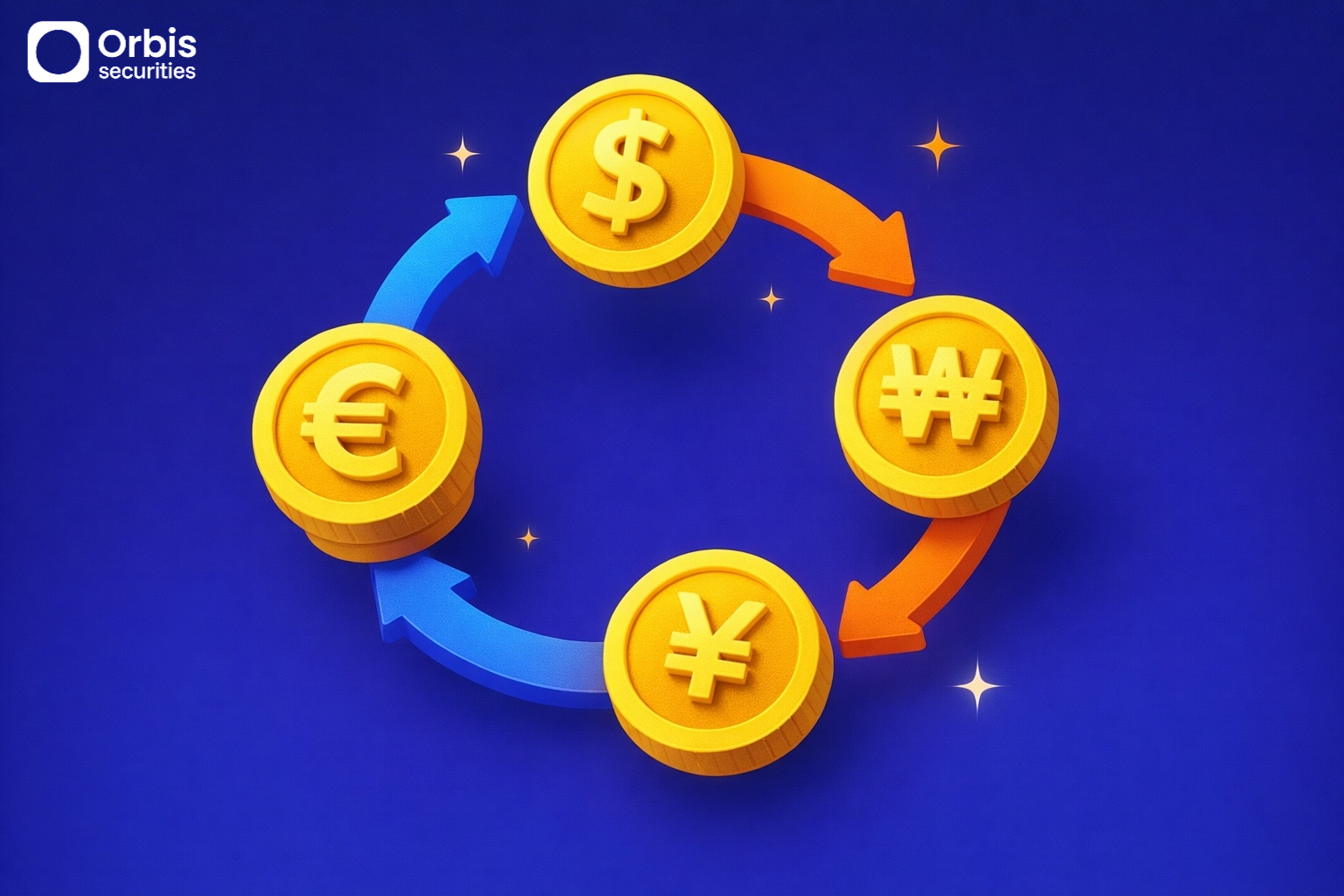
Whenever we travel abroad or purchase goods from other countries, we need to use foreign currencies.
For instance, if you want to buy a product from the United States, you must exchange Korean won into US dollars. Likewise, traveling to Europe requires converting your money into euros.
This need for currency exchange is essential for international transactions.
The same principle applies not only to individuals but also to businesses and governments.
Companies must exchange currencies when importing raw materials or exporting goods across borders.
As these demands accumulate, the forex market naturally forms.
Today, it has grown into the largest financial market in the world.
With a daily trading volume reaching trillions of dollars, the market is highly active and includes participants such as banks, corporations, institutions, and individual traders.
🔹 Exchange Rates and the Core Structure of Forex Trading
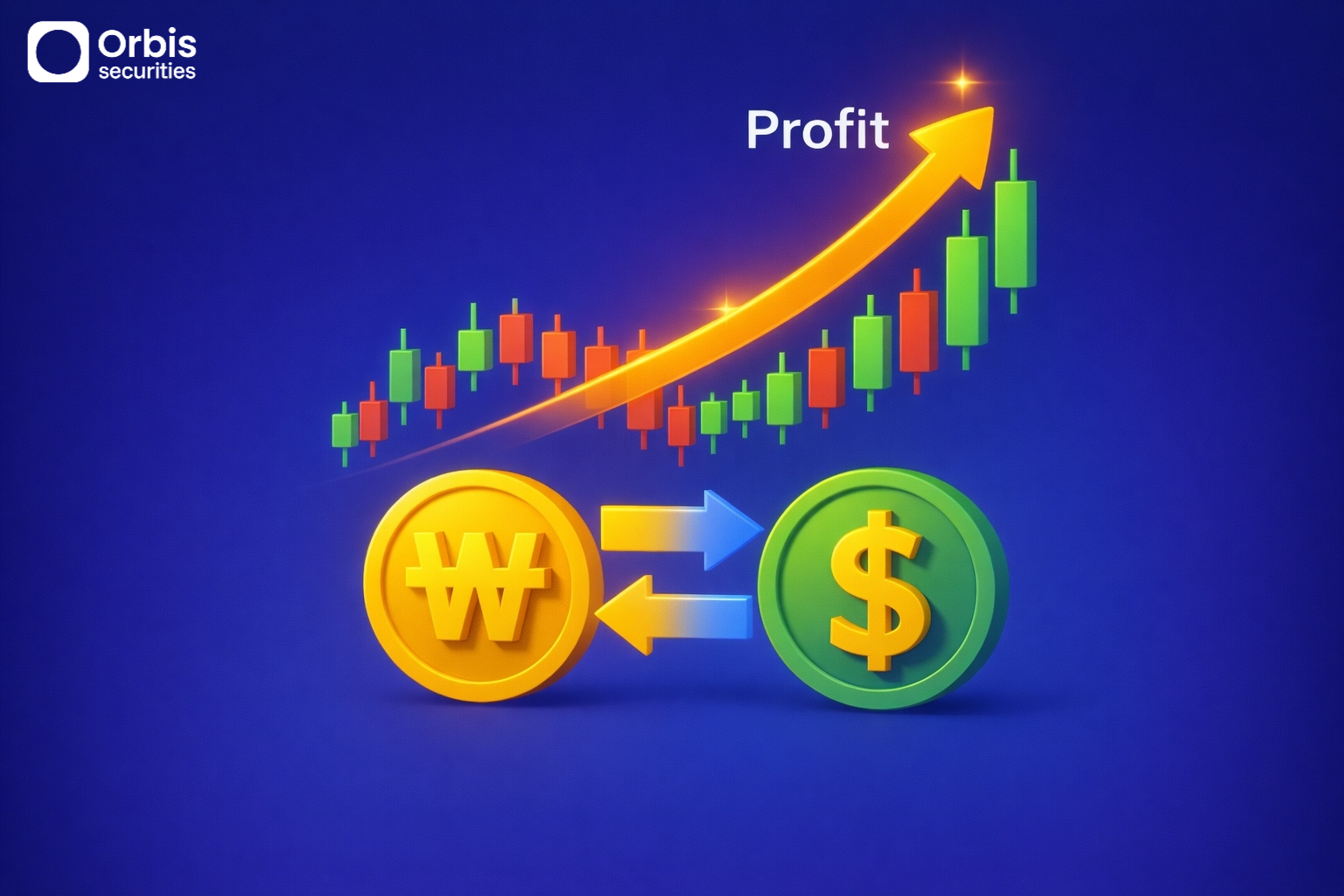
The most important concept in the forex market is the exchange rate.
An exchange rate represents the value of one currency relative to another and constantly changes based on market conditions.
For example, if the exchange rate moves from 1 USD = 1,300 KRW to 1 USD = 1,350 KRW, the value of the dollar has increased.
This means you can receive more Korean won for the same amount of USD.
This movement in exchange rates is the core of forex trading.
Forex trading is not just about exchanging currencies—it involves predicting whether a currency’s value will rise or fall and seeking opportunities to profit from those changes.
For example, if you expect the US dollar to strengthen, you may buy USD. If the exchange rate rises as expected, converting it back into KRW can generate a profit (exchange gain).
On the other hand, if the market moves against your expectation, a loss may occur.
Exchange rates are influenced by various factors, including interest rates, economic conditions, and political events.
This is why the forex market is considered not only a place for currency exchange but also a market that requires analysis and informed decision-making.
🔹Key Characteristics of the Forex Market
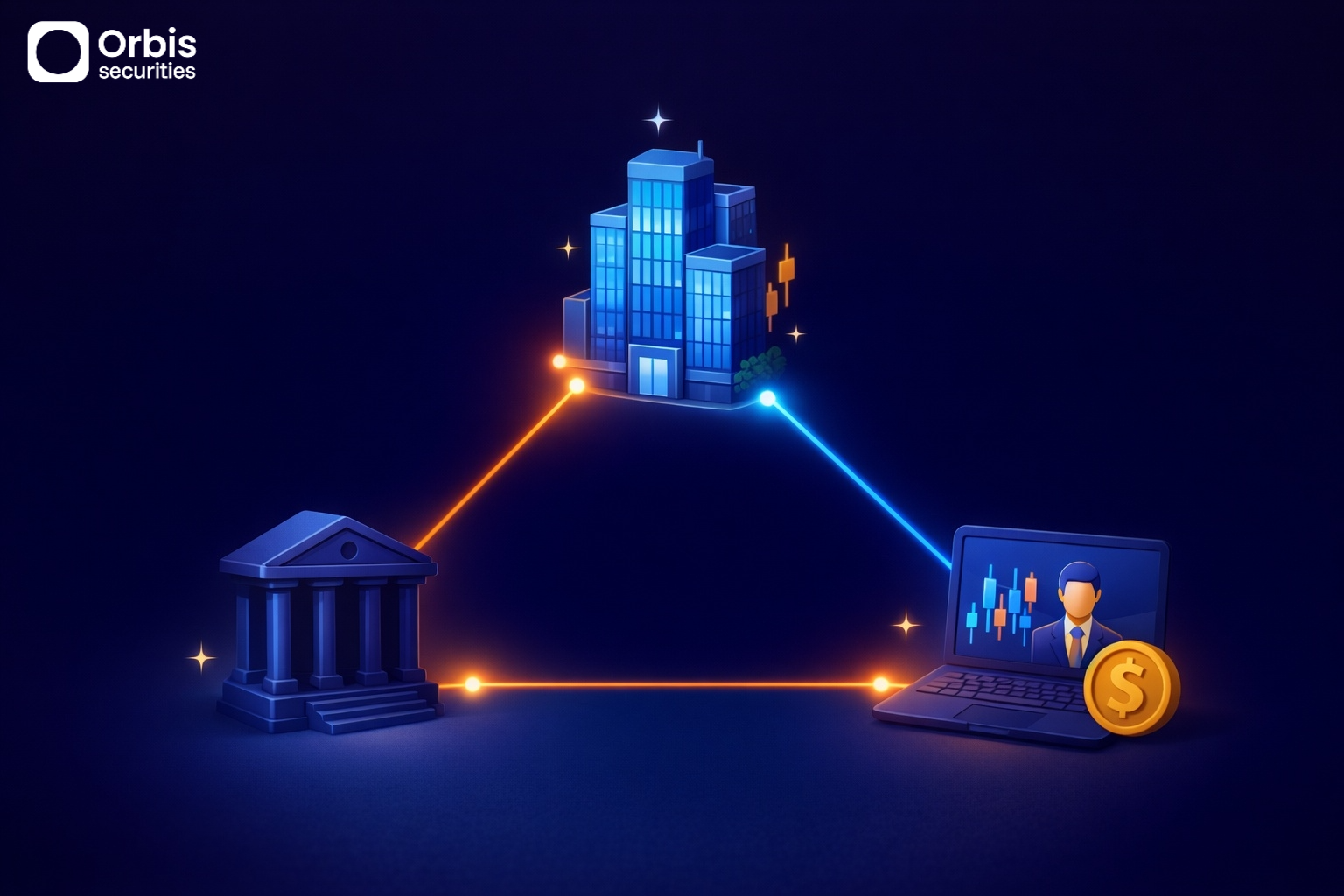
Unlike other financial markets, the forex market does not have a centralized exchange.
All transactions are conducted through a global network of financial institutions and participants. This structure is known as an Over-the-Counter (OTC) market.
Because of this decentralized system, the forex market operates almost 24 hours a day, as major financial centers around the world open and close in sequence.
Additionally, since the market is globally interconnected, it responds quickly to changes in the global economy.
This provides traders with various opportunities, but also highlights the importance of understanding market dynamics.
The forex market is a global financial environment where currencies are exchanged and trading opportunities arise from fluctuations in exchange rates.
Understanding these fundamentals is the first essential step in learning how to trade.