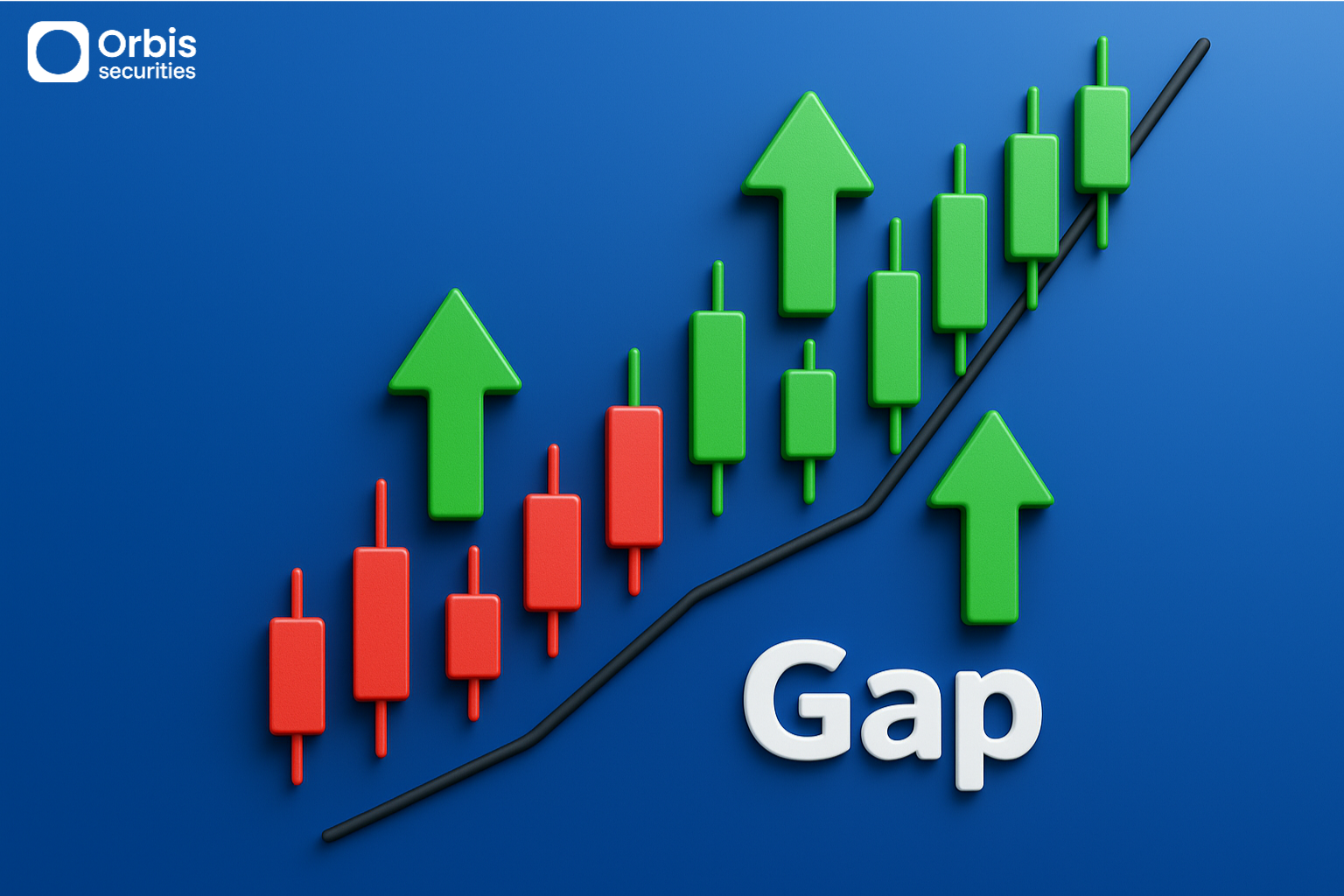
A gap occurs when price does not move continuously from one level to the next, but instead “jumps” to a new level.
This represents a moment where market imbalance is revealed in its most extreme form.
This gap is not just empty space—it is the result of buying or selling pressure becoming overwhelmingly one-sided, causing price continuity to break.
Such movements are usually triggered by new information or a strong shift in expectations, signaling that market direction may change or accelerate within a short period.
Therefore, a gap is not merely a price phenomenon, but a signal of how conviction is forming among market participants.
🔹 Why Gaps Occur
A gap forms when there is a discontinuity between the previous closing price and the next opening price.
This indicates that market participants have significantly changed their expectations before the market opens.
Events such as earnings releases, policy changes, or geopolitical developments can lead to trading starting at a completely new price level rather than continuing from the previous one.
The resulting gap reflects not just volatility, but a shift in market expectations to a new level.
🔹 Meaning of Gap Up and Gap Down
A gap up occurs when trading begins at a higher level than the previous price, driven by strong buying pressure.
This suggests that market participants are confident enough to buy even at higher prices than before.
If this momentum continues, the gap area often acts as a support level.
On the other hand, a gap down occurs when trading begins at a lower level, indicating that selling pressure is dominating the market.
In this case, the previous price range often turns into resistance, making it difficult for price to recover even if a rebound occurs.
🔹 Gaps Within a Trend
Gaps do not only appear at the beginning of a move—they can also occur within an existing trend.
When gaps appear during an uptrend, they indicate continued inflow of buying pressure and growing confidence among market participants.
Similarly, gaps during a downtrend suggest strengthening selling pressure.
However, gaps that appear near the end of a trend can carry a different meaning.
In some cases, a sharp move accompanied by a surge in volume is followed by an immediate reversal.
This can be interpreted as the final exhaustion of accumulated momentum.
🔹 How to Read Post-Gap Price Action
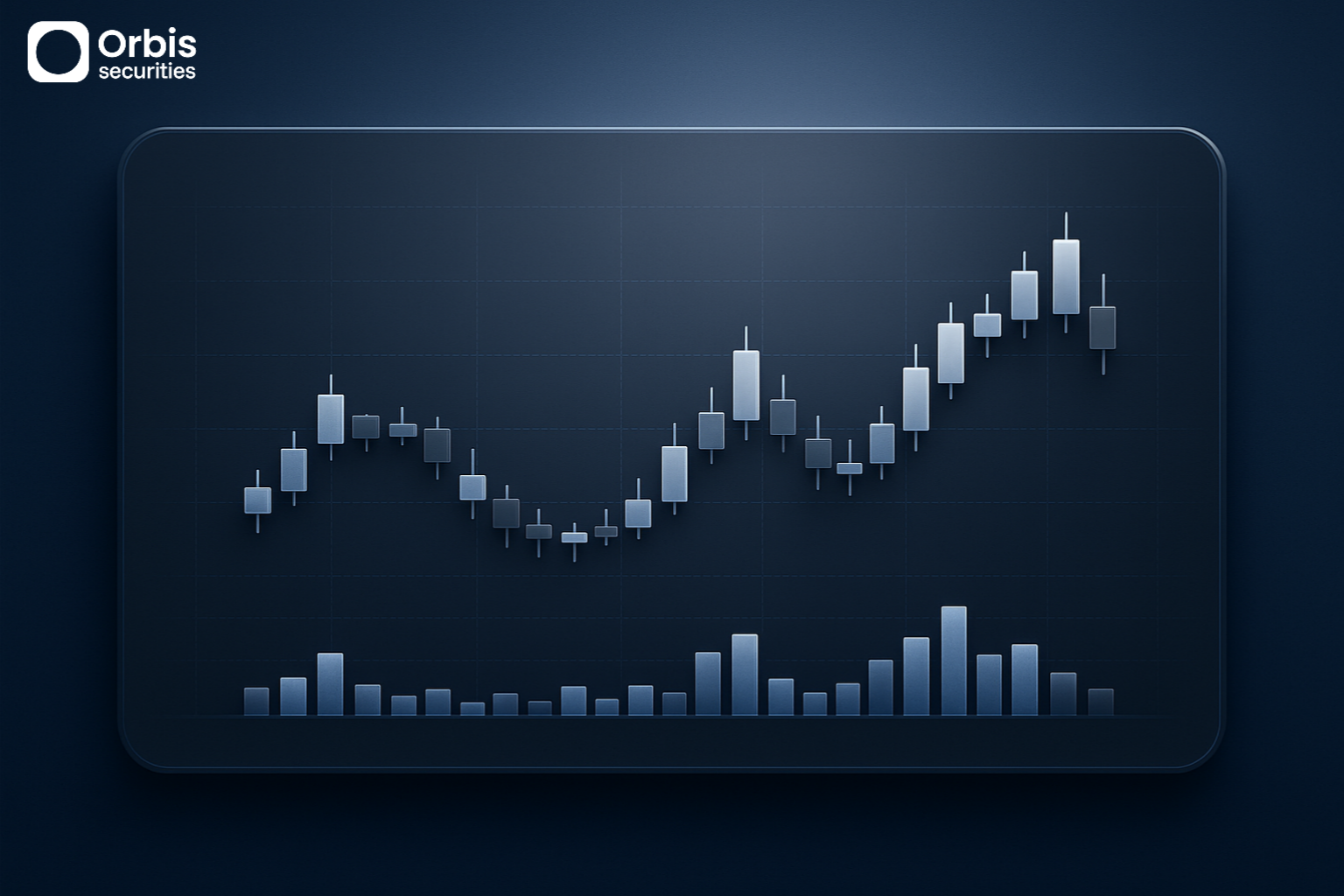
After a gap forms, the key question is whether the gap remains open or gets filled.
If price continues moving in the same direction without filling the gap, it suggests that the trend is strong and sustained.
Conversely, if price returns into the gap and eventually fills it, it indicates that the initial shift in expectations is fading and the market is returning to balance.
This gap-filling process often reflects the unwinding of short-term overreaction, whether driven by excessive optimism or fear.
🔹 Key Principles for Interpreting Gaps
While gaps provide directional signals, their reliability depends on trading volume and subsequent price action.
A gap accompanied by strong volume suggests genuine participation from market players, increasing the likelihood of trend continuation.
The location of the gap is also important.
Gaps that appear at the early stage of a trend often signal the beginning of a new move, those in the middle suggest trend continuation, and those at the end may indicate a potential reversal.
The key insight is that the same pattern can have different meanings depending on where it occurs within the trend.