Markets do not move in a single direction forever.
Even during sustained uptrends, there comes a point where momentum weakens, and downtrends also eventually reach turning points.
One of the most recognizable patterns that visually represents these turning points is the Head and Shoulders pattern.
This pattern is not just a shape—it illustrates the gradual weakening of an uptrend step by step.
For this reason, traders interpret it not merely as a chart formation, but as a signal of a potential trend reversal.
🔹 How the Pattern Forms
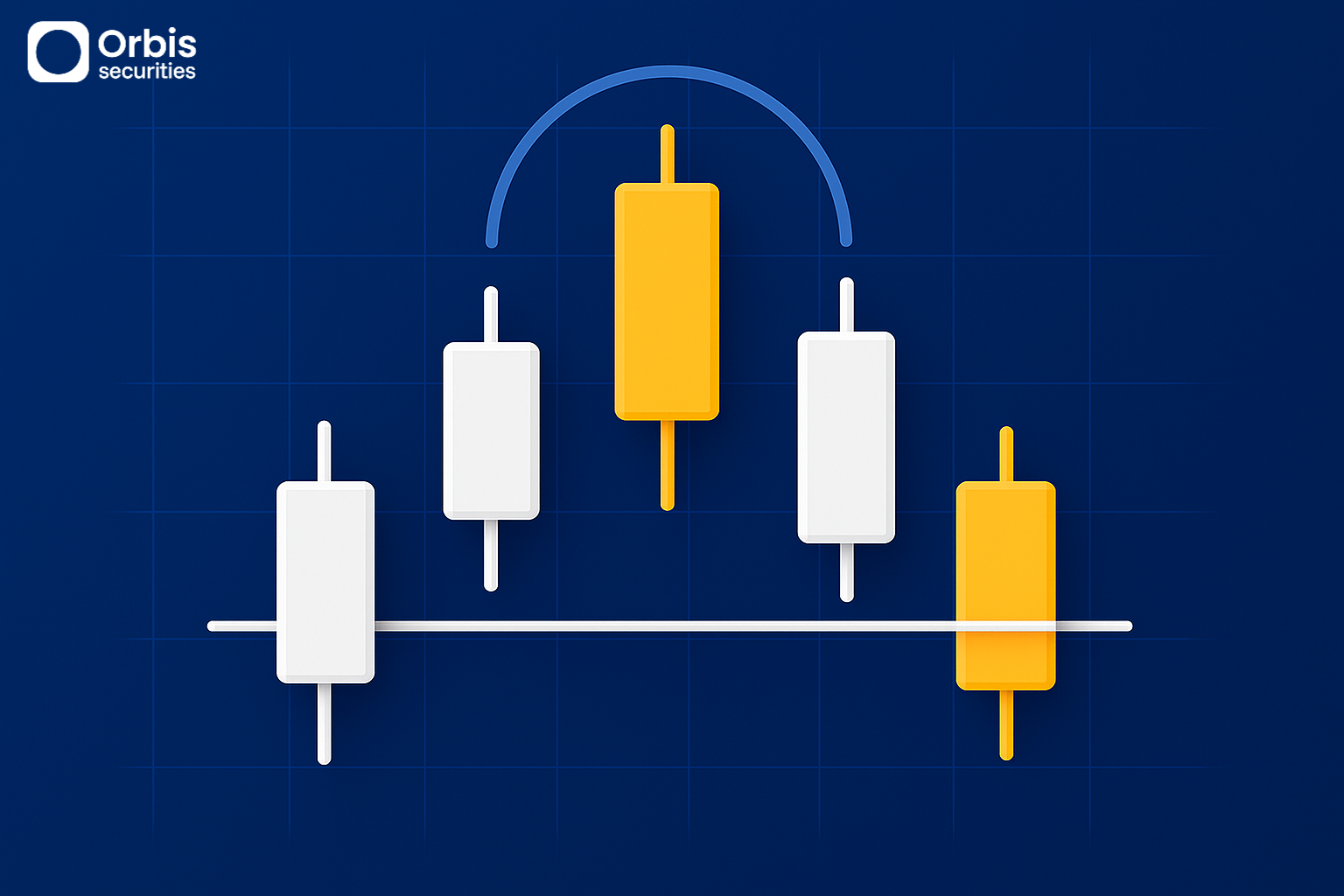
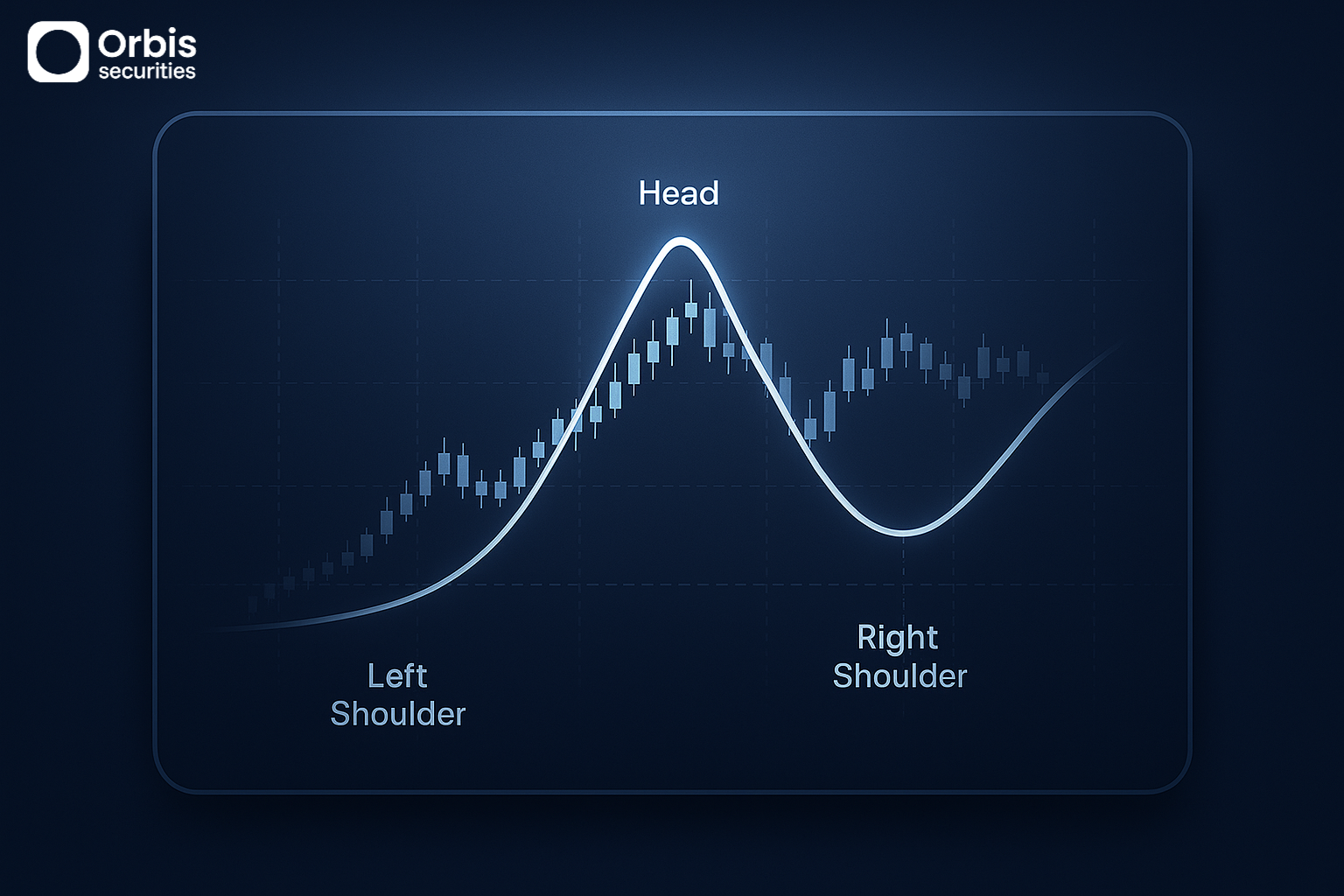
The Head and Shoulders pattern typically forms at the final stage of an uptrend.
At first, within a normal upward movement, a peak forms followed by a pullback.
Then, the price rises again to form a higher high, suggesting the uptrend is continuing.
However, during this second rise, momentum often weakens compared to the previous move, and trading volume tends to decrease.
In the third rise, the peak forms lower than the previous high.
This indicates that buying pressure is no longer strong enough to push prices higher.
As this sequence of lower highs develops, upward momentum fades, and the market begins transitioning toward a potential reversal.
A key element in this structure is the neckline.
This line is drawn by connecting the lows formed during the pullbacks, acting as a support level.
When price breaks below this neckline, it signals that the uptrend may have ended and a new downtrend could begin.
🔹 When the Trend Reversal Is Confirmed
The Head and Shoulders pattern is not confirmed simply by its shape.
The key factor is whether the neckline is actually broken.
When price clearly breaks below this support level, the existing uptrend structure fails, and the market transitions into a new phase.
If this breakdown is accompanied by increased trading volume, it suggests that real selling pressure is entering the market, strengthening the signal.
After the neckline break, price may retest the same level before continuing lower.
This retest area is often used as a potential entry point in the direction of the new trend.
🔹 The Inverse Head and Shoulders Pattern
While the Head and Shoulders pattern appears at the end of an uptrend, its inverse form appears at the end of a downtrend.
The Inverse Head and Shoulders pattern shows a shift where lower lows begin to turn into higher lows, indicating that selling pressure is weakening.
In this case as well, the key is the breakout of the neckline.
When price breaks above the resistance level, it signals that the downtrend may be ending and a new uptrend could begin.
If this breakout is accompanied by increasing volume, the reliability of the signal is further strengthened.
🔹 How to Interpret the Pattern
The Head and Shoulders pattern should not be judged solely by its appearance—it is important to interpret the underlying structure.
Traders should analyze how momentum weakens during the uptrend, how the structure of highs and lows changes, and how trading volume behaves throughout the pattern.
Additionally, the location of the pattern is crucial.
When it appears after a strong and extended uptrend, it carries greater significance as a reversal signal.
However, if it forms without a clear preceding trend, it may simply represent temporary volatility rather than a meaningful reversal.