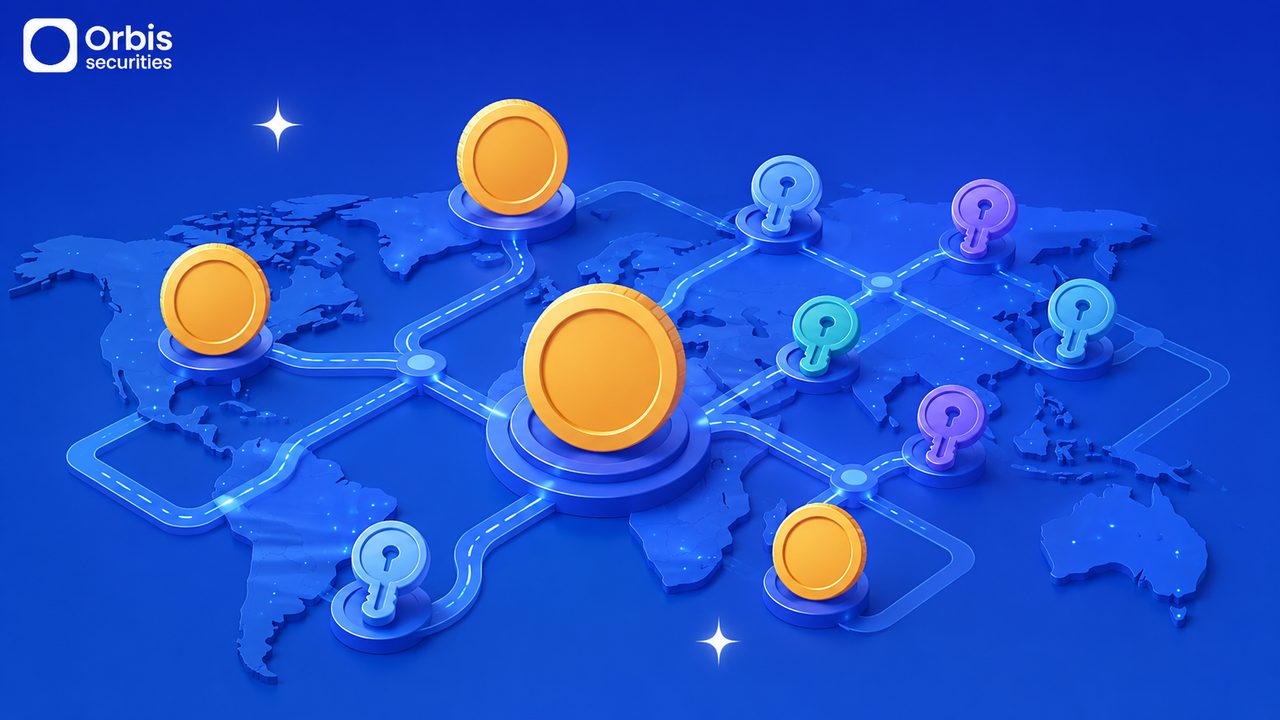
Many beginners in the digital asset market use the terms coin and token interchangeably, but they actually represent very different concepts in the blockchain ecosystem. Understanding this distinction is a crucial first step for anyone looking to navigate the trading landscape successfully.
Think of it like a sovereign country and an amusement park. A coin is like the official national currency of the country, while a token is like a ride ticket or a food coupon used exclusively inside that specific amusement park. Let us explore how these two digital assets function and why their differences matter.
🔹 What Is a Crypto Coin?

A crypto coin is a digital asset that operates on its own independent blockchain. It functions similarly to traditional money, serving as a medium of exchange, a store of value, and a unit of account. Well-known examples of coins include Bitcoin and Ethereum, both of which run on their respective native networks.
Because they have their own underlying infrastructure, coins are primarily used to pay for transaction fees, secure the network, or facilitate direct transfers. Building a native blockchain requires significant technical resources, making coins the foundational layer of their respective ecosystems.
🔹 What Is a Crypto Token?

Unlike coins, a crypto token does not have its own blockchain. Instead, it is built on top of an existing blockchain network through the use of smart contracts. Tokens leverage the security and infrastructure of the host blockchain, allowing creators to focus on specific functionalities without building a network from scratch.
Tokens can represent a wide variety of assets or utilities, ranging from loyalty points to digital art and voting rights in a decentralized community. Common standards like ERC-20 on the Ethereum network have made it relatively simple for developers to issue these versatile assets for specialized applications.
🔹 Key Differences and Market Implications
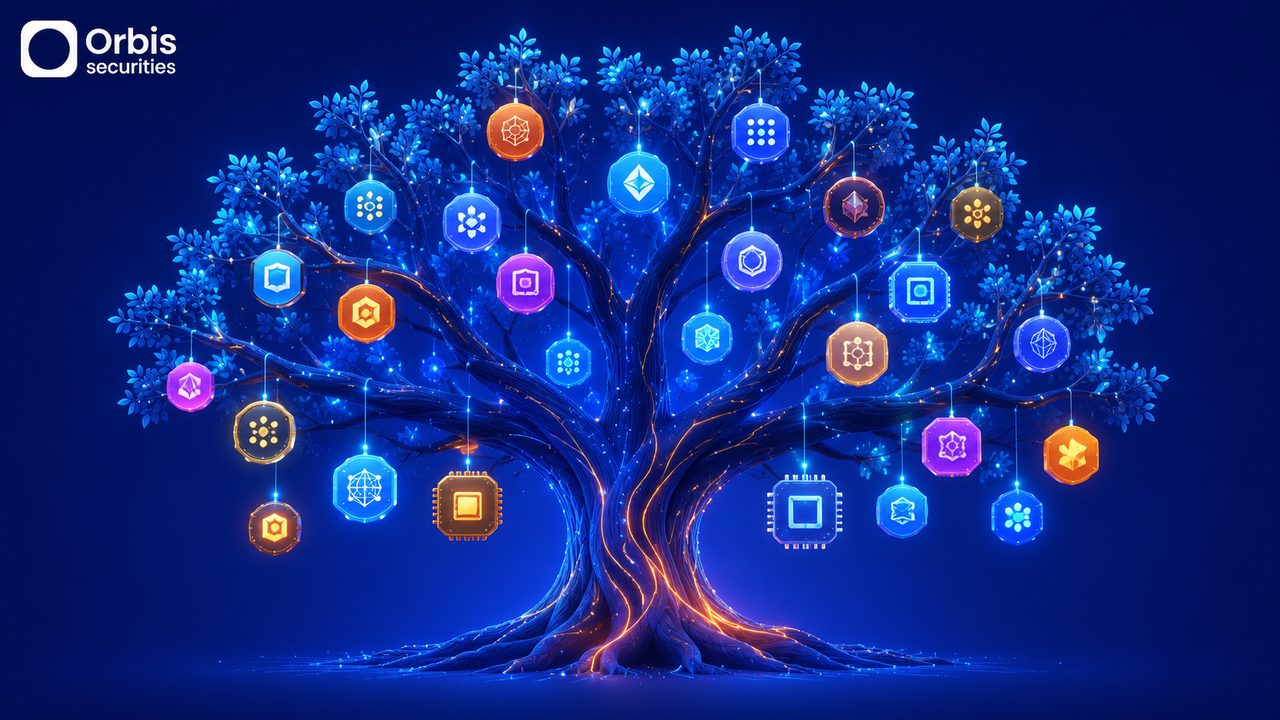
The primary difference lies in their underlying infrastructure and utility. Coins serve as the native currency of an entire network, whereas tokens are designed for specific decentralized applications. When trading, understanding whether an asset is a coin or a token can help you assess its long-term utility and network dependency.
Both assets carry unique market dynamics and risk profiles that traders should carefully evaluate. While coins may depend heavily on the overall adoption of their blockchain, tokens are often tied to the success of a single project. Educating yourself on these structural differences is essential for making informed trading decisions.