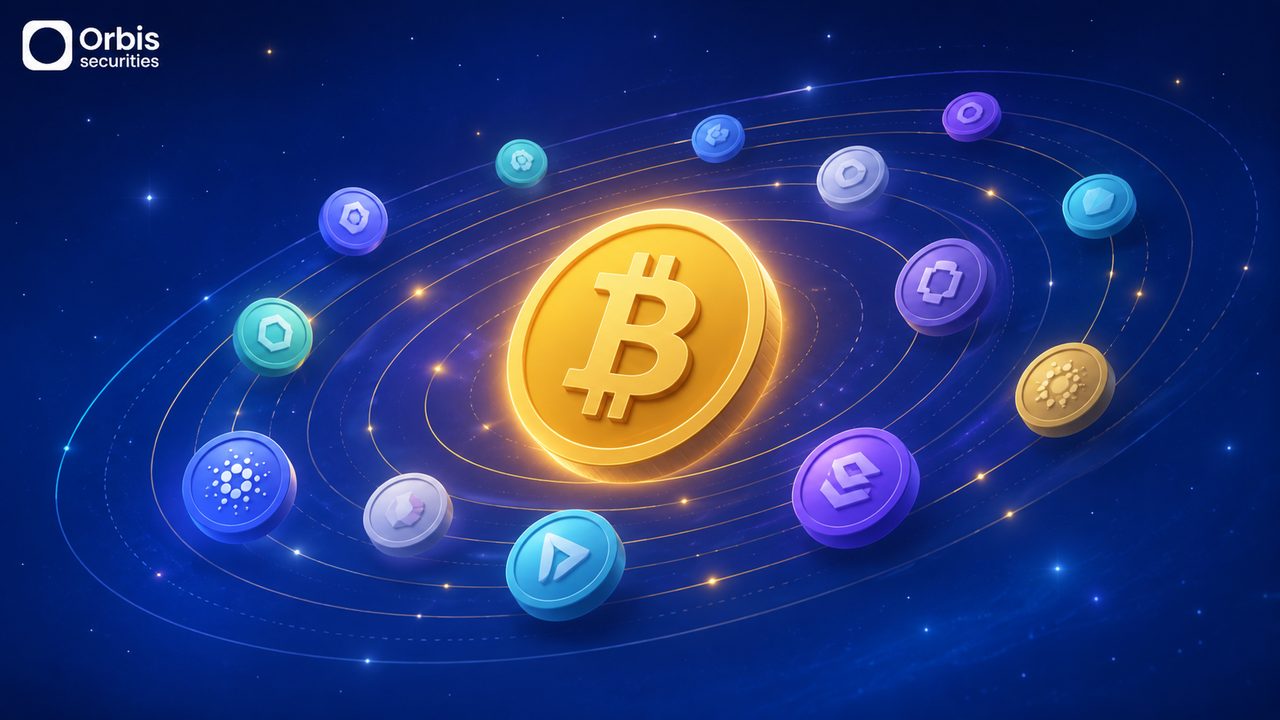
In the dynamic world of cryptocurrency, market movements often feel like shifting seasons. Just as spring follows winter, a period of Bitcoin dominance is frequently followed by a vibrant phase known as Altcoin Season. This is a specific market phase where alternative cryptocurrencies, or altcoins, experience rapid price appreciation, often outperforming Bitcoin.
Understanding why this phenomenon occurs is crucial for anyone looking to comprehend the broader cryptocurrency ecosystem. Rather than happening at random, these seasons are driven by recurring patterns of investor behavior, capital rotation, and shifting risk appetites across the global market.
🔹 The Capital Flow Cycle in Cryptocurrency

The primary catalyst for an altcoin season is the natural rotation of capital within the market. Typically, a market cycle begins with fresh capital flowing into Bitcoin, which is widely regarded as the most secure and liquid digital asset. As Bitcoin's price rises and eventually stabilizes, early investors often look to realize their profits.
Instead of moving their funds back into traditional fiat currency, many traders choose to reinvest their gains into large-cap altcoins. This initial shift creates a domino effect, where capital gradually trickles down from high-market-cap assets to mid-cap and eventually small-cap projects, triggering a widespread altcoin season.
🔹 Shifts in Investor Risk Appetite

Market psychology plays a pivotal role in the transition between market phases. During a sustained Bitcoin rally, overall market confidence tends to increase, lowering the perceived risk of the entire cryptocurrency sector. This environment encourages traders to seek higher-beta assets that offer the potential for greater price movements.
As risk tolerance grows, investors actively search for exponential growth opportunities in younger, less established projects. While this collective optimism can drive rapid upward momentum for altcoins, it also introduces substantial volatility, making these assets highly sensitive to sudden market corrections.
🔹 The Role of Technological Innovation

While capital rotation and speculation drive short-term cycles, genuine technological trends often act as long-term catalysts. The emergence of decentralized finance, non-fungible tokens, or layer-two scaling solutions has historically sparked intense interest in specific ecosystems.
When a particular sector demonstrates real-world utility or attracts a surge of developers, it can ignite a targeted rally. This localized interest often spills over into the broader market, fueling a wider appreciation for alternative assets as investors search for the next technological breakthrough.
🔹 Navigating the Cycles of the Crypto Market
In summary, altcoin seasons are not random anomalies but are the result of structured capital rotation, shifting investor sentiment, and emerging technological trends. Recognizing these cycles can help market participants better understand the ebb and flow of liquidity across different digital assets.
However, because altcoins generally carry higher volatility than major cryptocurrencies, these periods of rapid growth also come with elevated risks. Maintaining a balanced approach and implementing strict risk management strategies remain essential when navigating these highly active market phases.