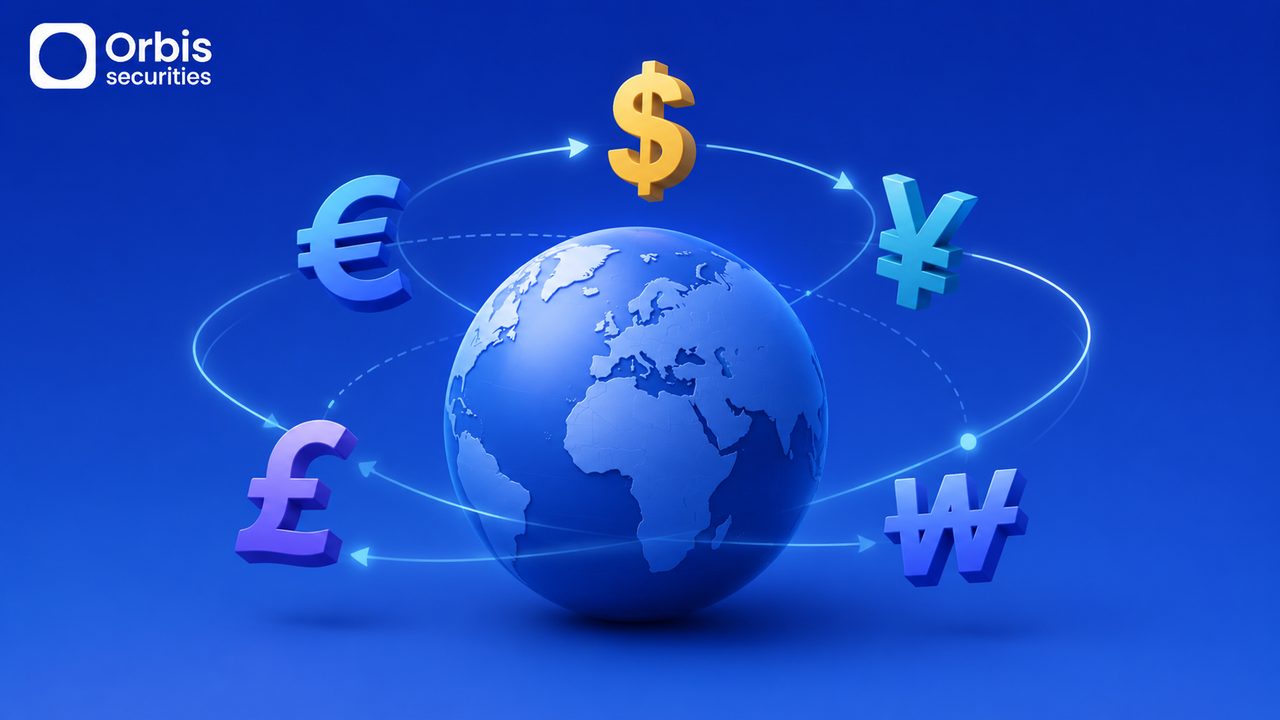
Have you ever noticed how the price of your favorite imported coffee or a planned overseas vacation can suddenly change? These subtle shifts in our daily expenses are often driven by the invisible hand of currency exchange rates. Just as the price of fresh produce fluctuates based on supply and demand, the value of one nation's currency constantly shifts in relation to another.
Understanding these fluctuations is not just for professional traders or multinational corporations. For everyday consumers, a basic grasp of foreign exchange can help us make smarter decisions about when to travel, buy imported goods, or manage our savings. Let us explore how these global market movements directly touch our personal finances.
🔹 The Direct Cost of Travel and Global Shopping

When you plan a trip abroad, the exchange rate determines exactly how much purchasing power your local money has in another country. A stronger domestic currency means your money goes further, making hotels, dining, and souvenirs cheaper during your travels. Conversely, if your home currency weakens, the same trip can become significantly more expensive, requiring a larger budget for the same experience.
This dynamic also applies to online shopping from international retailers, commonly known as direct importing. When your local currency is strong, buying goods directly from foreign websites becomes highly attractive as you pay less for the same product. On the other hand, a weaker currency might prompt you to look for domestic alternatives to save money.
🔹 How Imports Shape Everyday Prices at Home
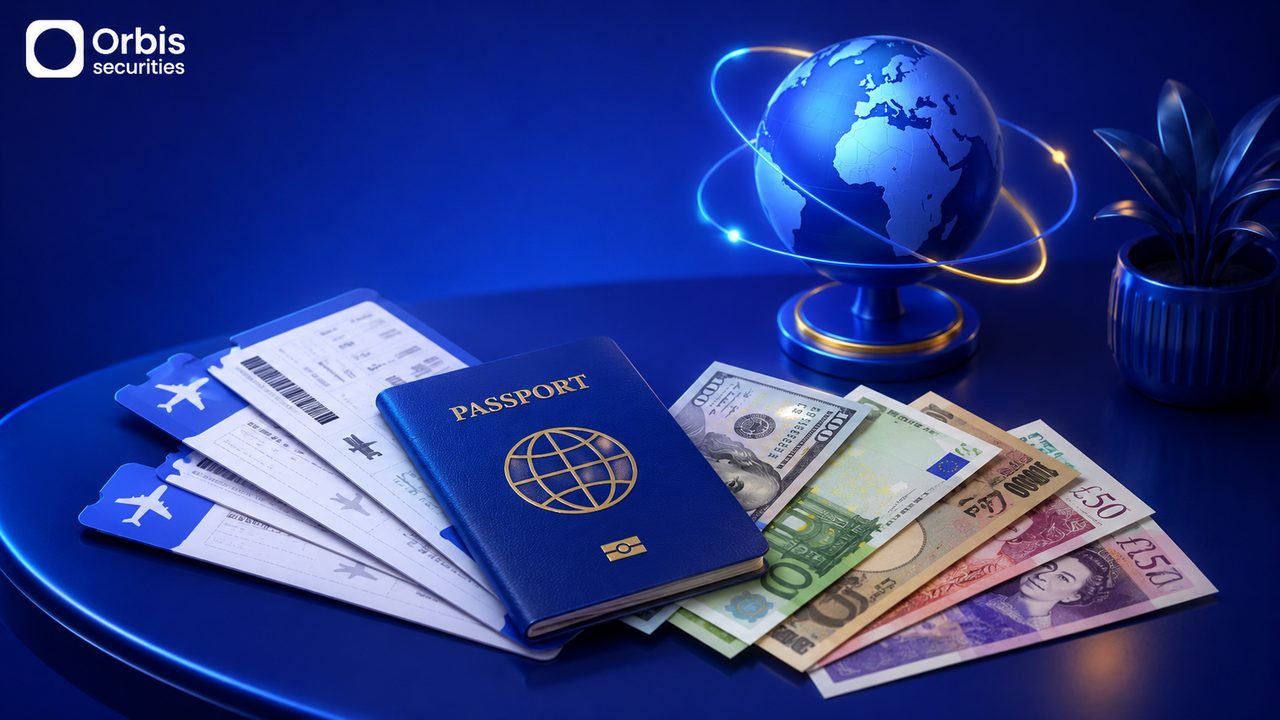
Even if you do not travel or shop online, exchange rates still quietly influence the prices of goods at your local supermarket. Most countries rely heavily on imported raw materials, such as crude oil and agricultural products, to produce daily necessities. When the domestic currency depreciates, the cost of importing these essential resources rises for local businesses.
To maintain their profit margins, companies often pass these increased costs onto consumers, which can lead to higher retail prices for everyday items. Therefore, a prolonged weakness in your national currency can contribute to general inflation, making your weekly grocery run or daily commute more costly than before.
🔹 Navigating Currency Fluctuations with Balance

While exchange rate movements can sometimes feel unpredictable, they also present unique opportunities depending on your economic activities. For instance, while a weaker currency increases import costs, it can simultaneously boost the competitiveness of domestic exporting companies, potentially supporting local job growth and the broader economy.
Navigating these shifts requires a balanced perspective and a basic awareness of global financial trends. By keeping an eye on exchange rate directions, you can plan major purchases or international trips more strategically. Ultimately, understanding these connections empowers you to adapt to the changing economic climate with confidence.