
Imagine a sports coach updating the team roster before a major tournament to ensure only the best players are on the field. In the financial world, stock market indices do something very similar through a process known as index rebalancing. This routine adjustment ensures that a stock index accurately reflects the current state of the market or a specific sector.
For traders, these periodic adjustments are highly anticipated events. When a company is added to or removed from a major index, it can trigger massive capital flows and sudden price movements. Understanding how this process works is essential for anyone looking to navigate the market with greater awareness.
🔹 The Mechanism of Inclusion and Exclusion

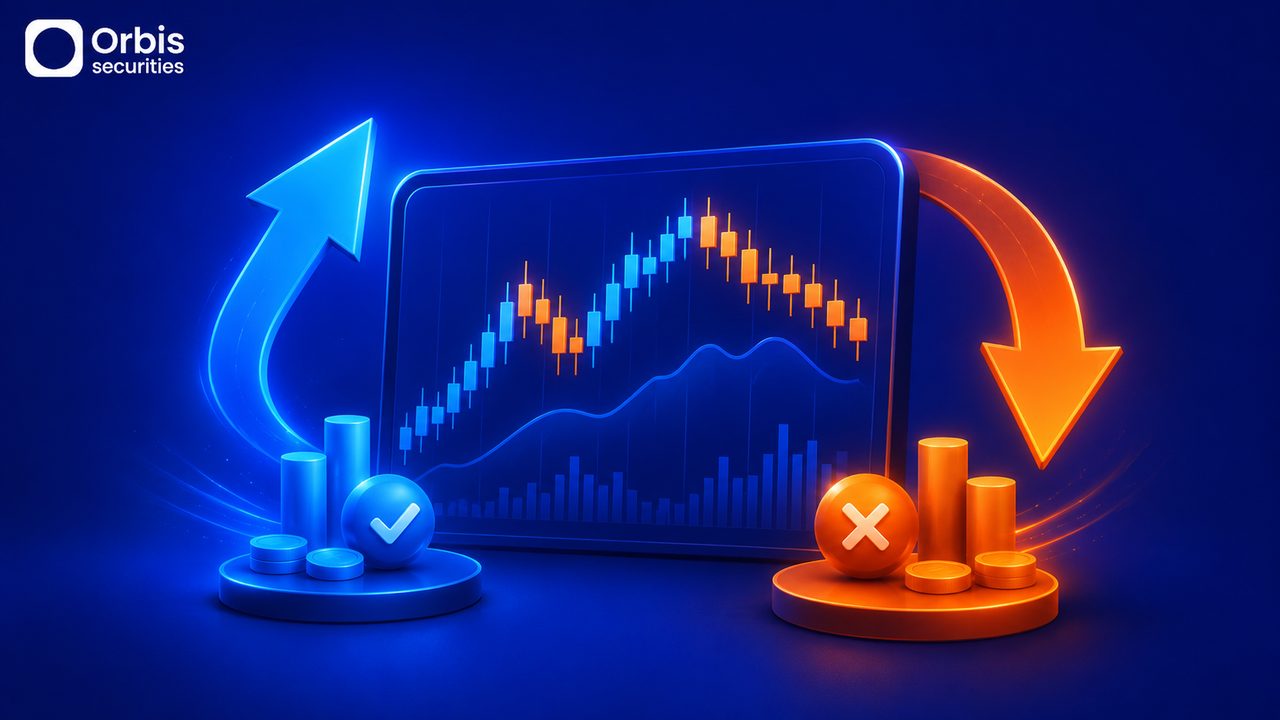
An index like the S&P 500 or KOSPI 200 is designed to represent the overall health of an economy or sector. However, because companies constantly grow or shrink, the index must be updated periodically. This adjustment process involves inclusion, where rising companies are added, and exclusion, where underperforming companies are removed.
These decisions are typically based on strict criteria such as market capitalization, liquidity, and financial viability. When an index provider announces these changes, it signals a major shift in how billions of dollars of investment capital will be distributed across the market.
🔹 Why Rebalancing Moves Stock Prices

The primary driver behind price movements during rebalancing is the action of passive funds, such as Index Funds and Exchange Traded Funds (ETFs). These funds are legally required to replicate the index they track. Therefore, when a new stock is included, these funds must buy the newly added shares, while simultaneously selling the excluded ones.
This massive, concentrated buying and selling pressure can lead to significant short-term volatility. Newly included stocks often experience a temporary price surge leading up to the rebalancing date, while excluded stocks may face downward pressure due to the sudden wave of selling.
🔹 Trading Considerations and Risk Management
Many market participants attempt to anticipate these changes to capture short-term price movements. However, trading around rebalancing dates carries substantial risk. Often, the anticipated price movements are already priced in by the time the actual adjustment occurs, which can lead to unexpected price reversals.
Therefore, traders should focus on balanced risk management rather than relying on guaranteed outcomes. Monitoring the official announcement dates and understanding the liquidity of the affected stocks can help in making more informed decisions while mitigating potential losses.