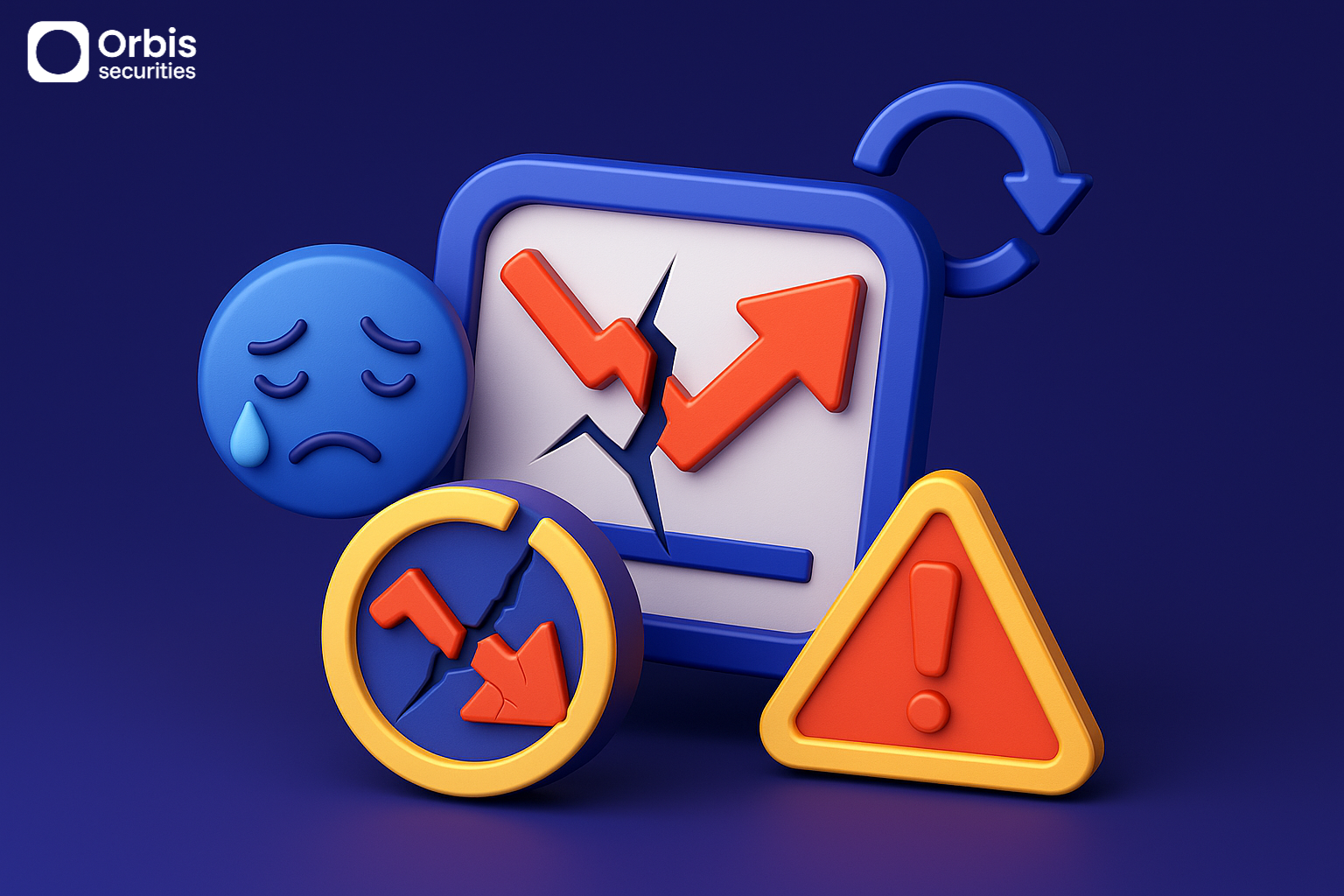
Losses are unavoidable in trading.
However, accounts don’t collapse simply because losses occur.
The real issue lies in what happens after the loss.
When the same mistakes are repeated, when decisions are driven by emotions, and when plans are abandoned, losses stop being isolated events and turn into a structural pattern.
In the end, trading performance is determined not by the market, but by the routines a trader repeatedly follows.
🔹 Automatic Reactions After Losses
Many traders repeat similar behavioral patterns after experiencing a loss.
These actions are often less conscious decisions and more like automatic responses.
After a loss, there is a strong urge to recover it quickly, leading to re-entry into the market without sufficient reasoning.
During this process, position sizes tend to increase, judgment becomes blurred, and the same mistakes are repeated.
There is also a tendency to rely on momentary conviction rather than sticking to a predefined strategy.
The moment the thought “this time is different” appears, stop-loss rules and plans easily collapse.
In this way, emotionally driven behavior gradually becomes a destructive routine that weakens the account over time.
🔹 The Root Cause: Loss Aversion
At the core of all these patterns is one thing—an unwillingness to accept losses.
Humans are naturally wired to avoid losses.
Because of this, instead of realizing a loss, traders tend to hold on or take on even greater risk in an attempt to recover.
However, in the market, this instinct becomes one of the most dangerous factors.
The very behavior meant to avoid losses often leads to even larger losses.
Ultimately, before trying to control the market, you must first control your own reactions.
🔹 A Structural Approach to Changing Your Routine
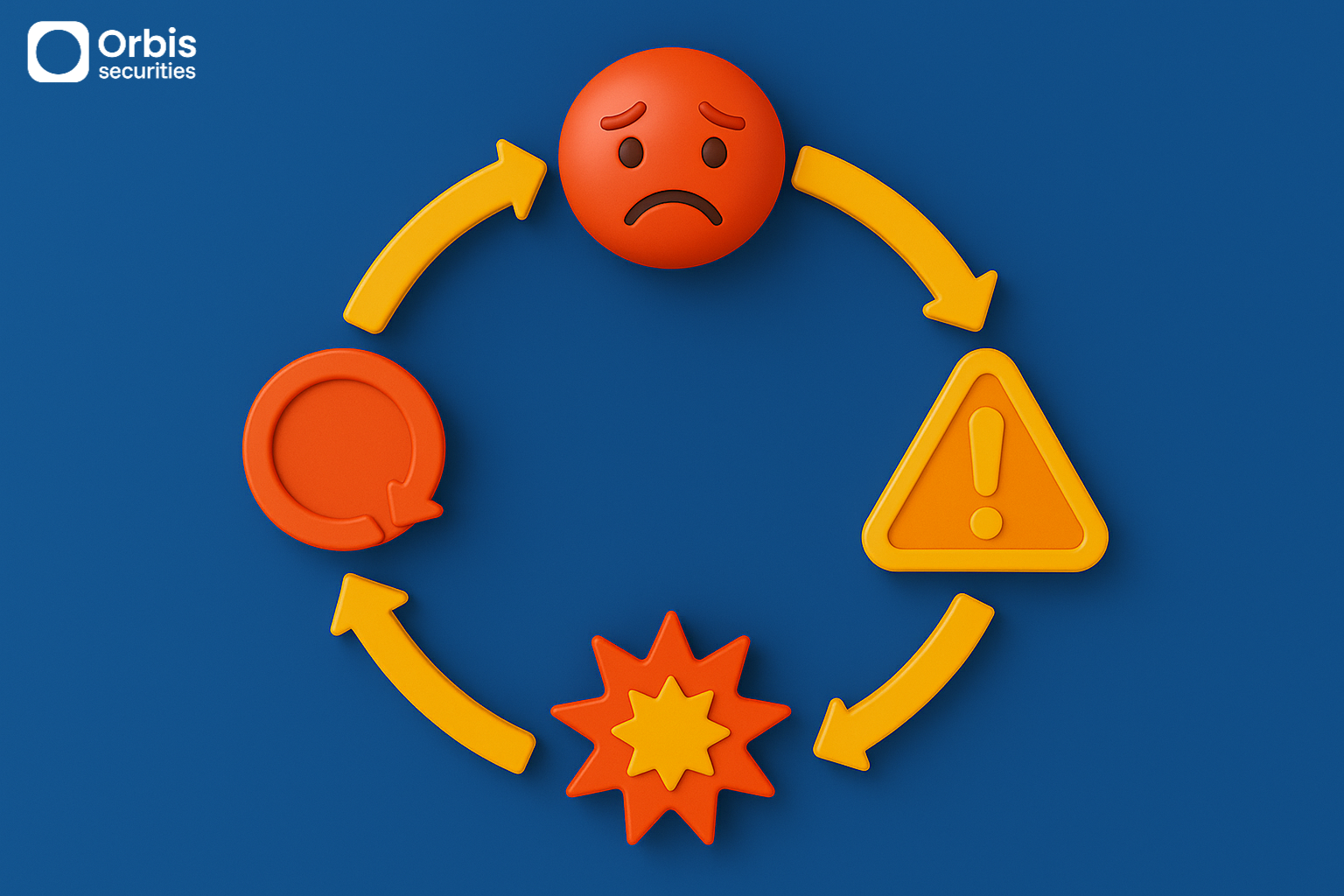
Improving ineffective routines requires more than willpower—it requires structure.
The first step is awareness.
By recording what decisions you made after a loss and what emotions were involved, repeating patterns begin to reveal themselves.
The next step is quantification.
By analyzing metrics such as risk-reward ratio, trading frequency, and performance variability, you can objectively assess how your routines impact results.
Through this process, emotionally driven decisions gradually shift into system-based actions.
🔹 When Systems Replace Emotions
Once routines improve, the first noticeable change is in entry criteria.
Instead of entering trades impulsively, you begin to take positions only in high-probability setups.
After a loss, rather than reacting immediately, you gain the ability to step back and reassess the market with clarity.
As this process continues, account volatility stabilizes, and the most important factor—survival probability—increases, even more than profitability.
🔹 In Trading, Repetition Matters More Than Results
Many traders focus on individual wins and losses, but real results come from repeated behavior.
A single unplanned trade matters far less than dozens of trades executed consistently under a defined system.
Therefore, the key question is not “Was this trade right?”
but rather “Can I continue executing this process consistently?”