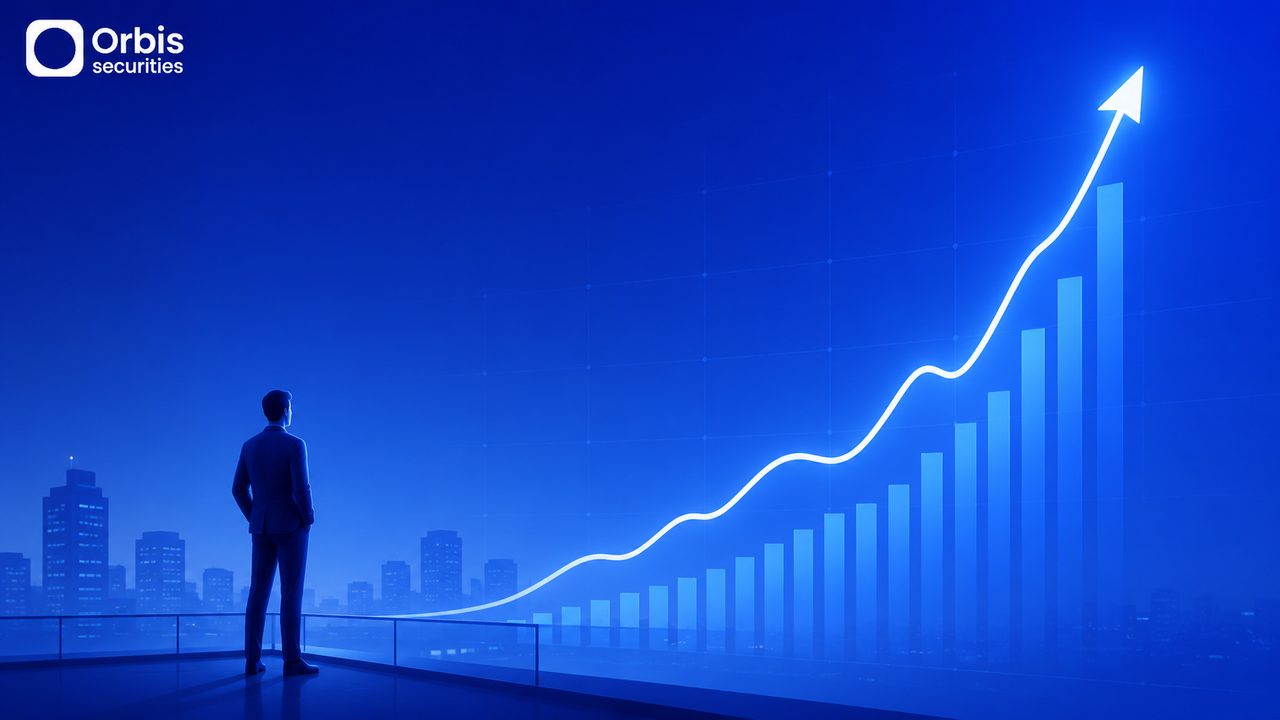
Imagine walking down the street and seeing a massive crowd gathering around a store. Even if you do not know what they are selling, a sudden urge makes you want to join the line. This natural human behavior is closely linked to FOMO, or the fear of missing out, which frequently influences our daily decisions.
In the financial markets, this feeling becomes magnified when asset prices begin to surge rapidly. Traders watch the charts climb and feel an intense pressure to buy immediately, fearing they will lose a rare opportunity. However, reacting to this emotion can lead to hasty decisions that jeopardize your trading capital.
🔹 Understanding the Psychology of FOMO

The term FOMO stands for Fear of Missing Out, a psychological trigger that occurs when you believe others are experiencing valuable gains while you are left behind. In trading, this manifests when an asset suddenly spikes, creating a visual illusion of guaranteed success.
When emotions take over, traders often ignore their pre-planned strategies and enter the market impulsively. This emotional trading bypasses critical steps like analyzing market trends and assessing whether the current price is actually sustainable.
🔹 The Hidden Risks of Chasing Market Spikes

Entering a market that is already in a steep upward trend carries a high probability of buying near the temporary peak. Professional traders often take profits at these elevated levels, meaning retail buyers who chased the price might end up holding assets right before a sudden market reversal.
Furthermore, chasing a spike usually means entering without a proper risk management structure. Without a clear plan, determining where to place a stop-loss becomes difficult, which may expose your account to unexpectedly large losses if the price drops rapidly.
🔹 Practical Ways to Master Your Emotions
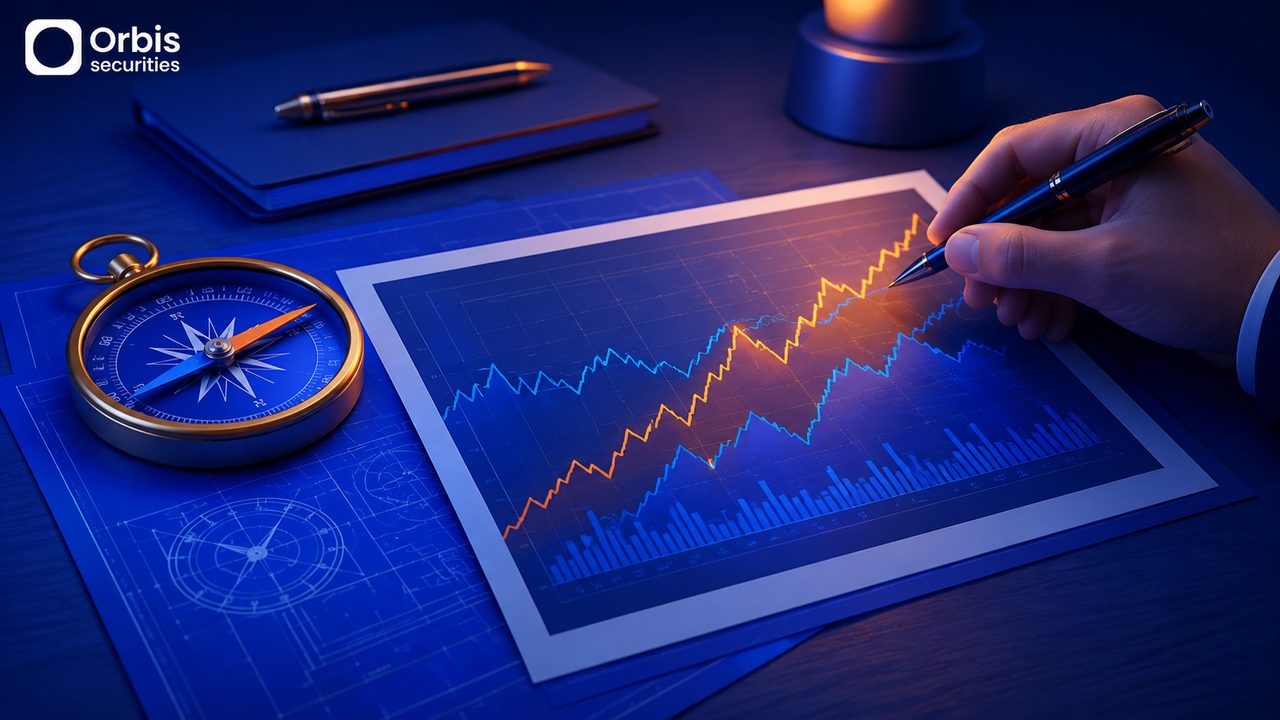
To protect your portfolio from emotional pitfalls, it is essential to establish a set of strict rules before opening any position. Successful traders often wait for a market pullback or a consolidation phase, which allows them to enter at a more favorable price point with a defined risk-reward ratio.
Ultimately, trading is a marathon rather than a sprint, and missing a single market movement will not ruin your career. Developing patience and discipline to stick to your strategy is the most reliable way to navigate the volatile financial landscape over the long term.